Specific Module Software Versioning
Feature Overview
The specific module software version approach ensures clarity, traceability, and control over the development, deployment, and maintenance of each module, independent of the overall system version. Each module has its own version identifier which has been updated independently of other modules.
Requirements
The following are the requirements to have specific module software versioning:
Considerations
This feature has no special considerations or limitations pertaining to feature enablement or usage.
Best Practices
The following are the best practices to implement specific module software versioning:
Prerequisites
This feature has no prerequisites to feature enablement or usage.
Module-Specific Software Versioning
From the current federal release the software versioning format follows a Semantic Versioning structure. The new format is explained with an example below:
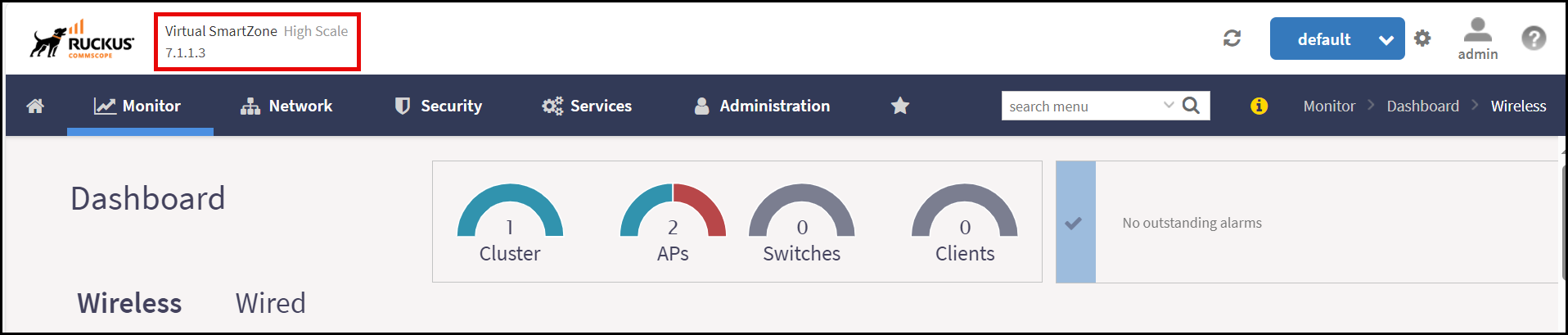
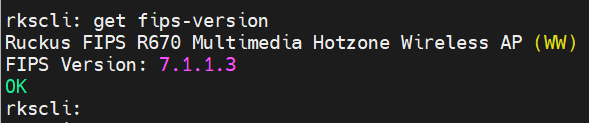
In the above software version (7.1.1.3) format structure is as follows: